

Empowering Women. Strengthening Families. Building Sustainable Futures.
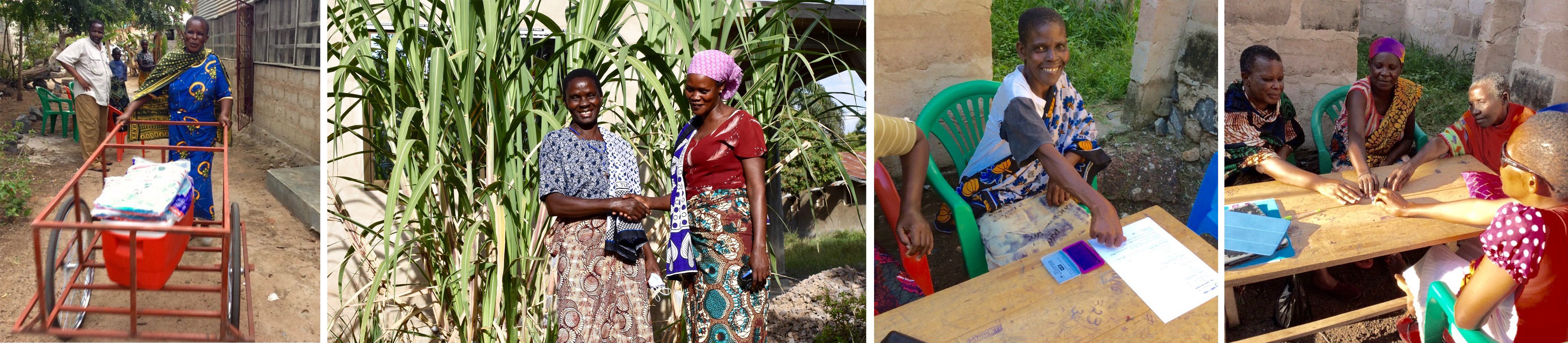
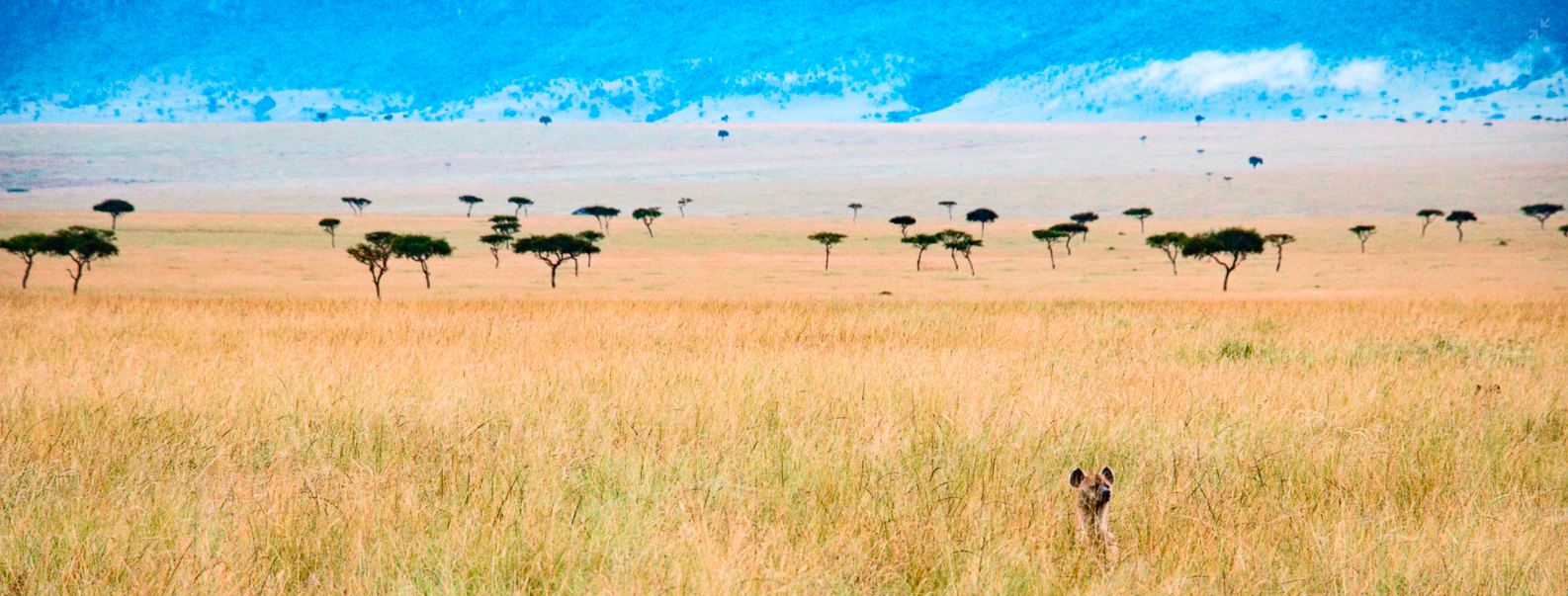
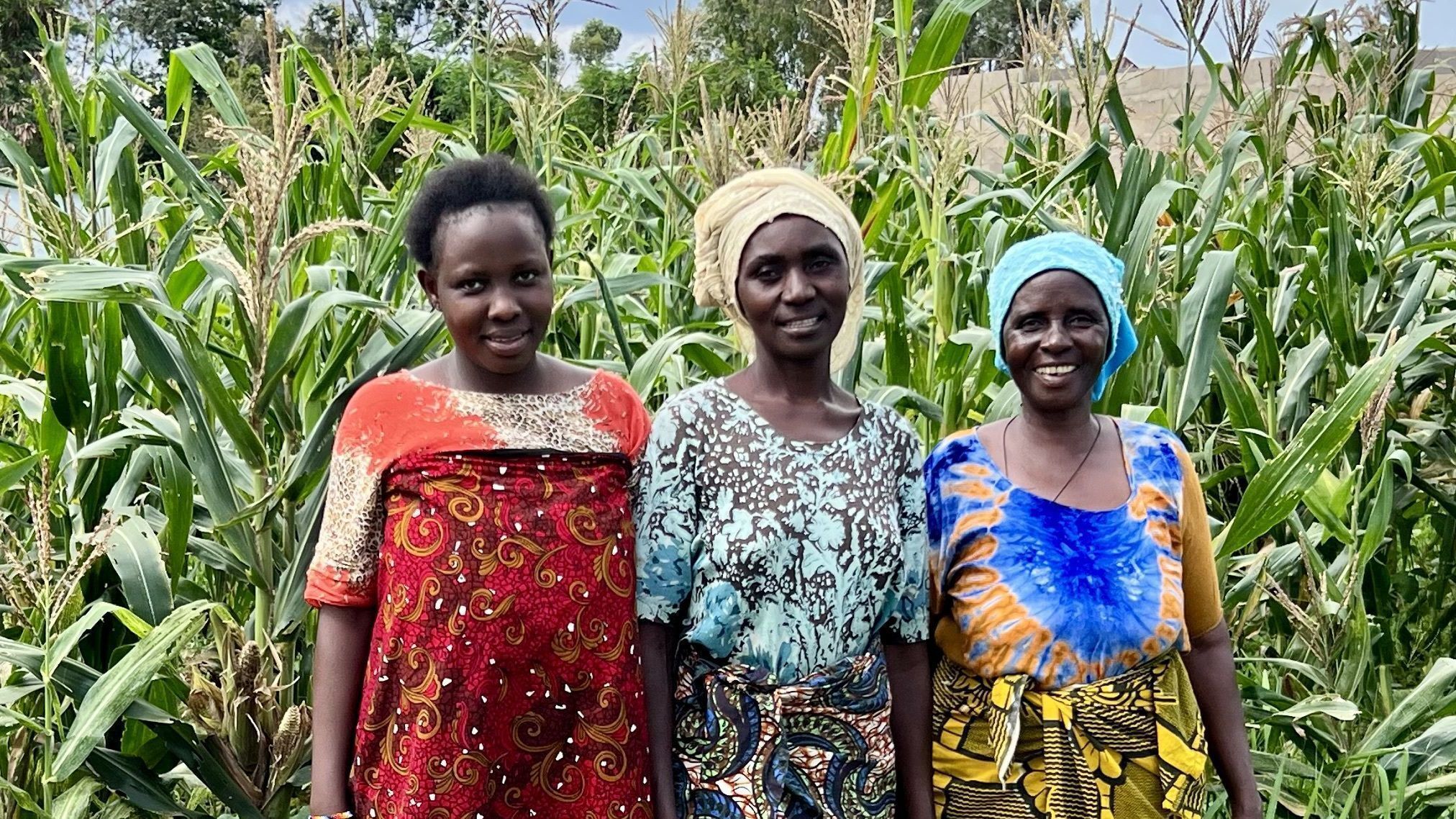
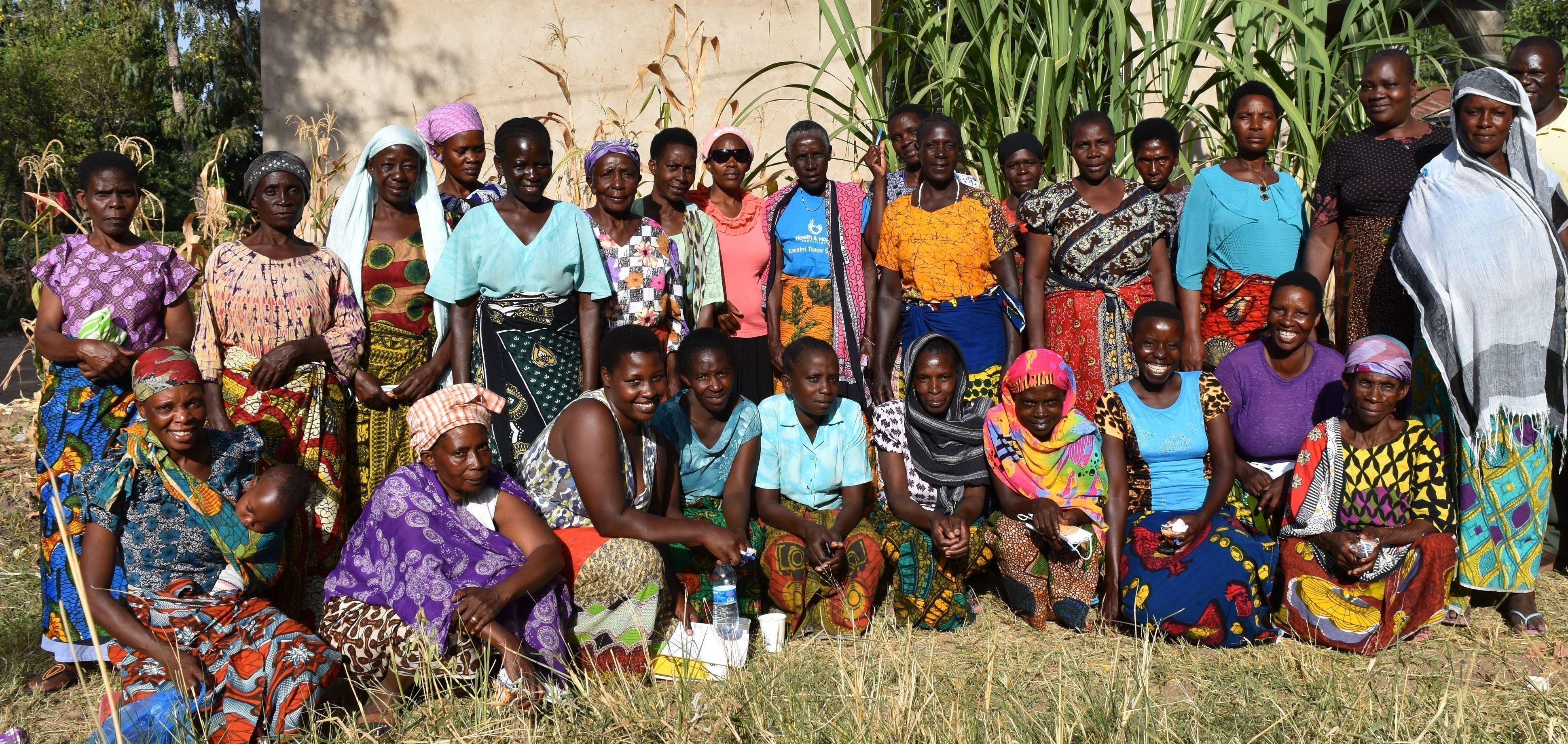
More than 120 women in Mwanza and the Ngorongoro highlands are building sustainable livelihoods through Health & Hope Foundation's Women's Business Groups. Many are widowed or support extended families. Through business training, mentorship, start-up assistance, and community savings, women gain the skills and resources to create greater financial independence.
In Mwanza, women operate businesses in farming, grain sales, fresh and solar-dried fish, fruits and vegetables, and handicrafts. In Maasai communities, 44 women raise goats and sheep, while another 40 operate staple food businesses.
These businesses do more than generate income. They provide food, education, and greater security for families while creating opportunities for lasting community change.
From FGM to Sustainable Livelihoods
Among the 44 Maasai women participating in HHF's goat and sheep rearing program are 15 who formerly earned income by performing female genital mutilation (FGM).
After participating in community education about the harmful consequences of FGM, these women chose to stop the practice. But protecting girls also meant helping the women replace income their families depended upon.
Health & Hope Foundation provides goats and sheep, along with practical training from a local veterinarian. Women learn animal care, disease prevention, and participate directly in vaccinating and monitoring the health of their herds.
Through livestock rearing for milk, meat, and breeding, these women are building sustainable livelihoods while helping protect future generations of Maasai girls.
This is sustainable change: education creates understanding, and economic opportunity makes change possible.
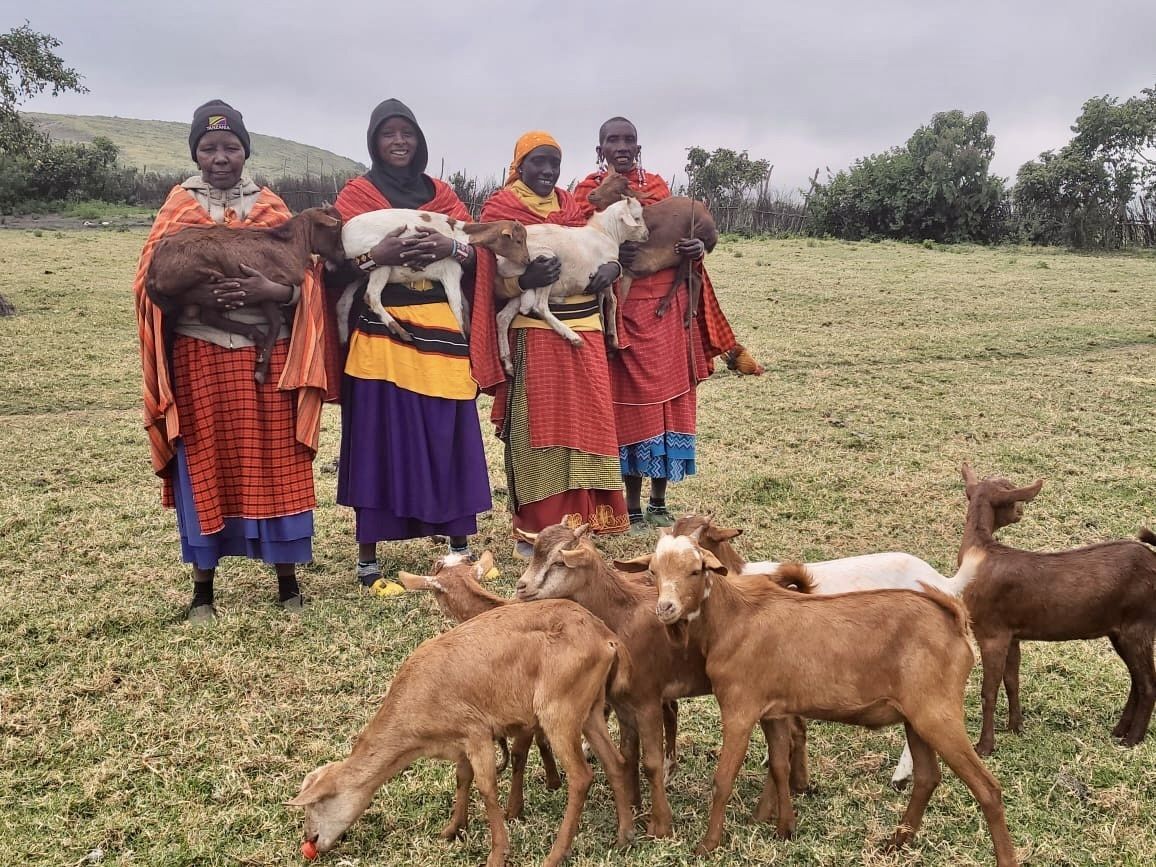
Four Maasai women who formerly practiced FGM proudly embrace new livelihoods through goat and sheep rearing. They publicly declared their decision to abandon FGM before their community and local leaders.
Building Businesses, Building Independence
Across Mwanza and the Ngorongoro highlands, women are learning to manage expenses, calculate profits, build savings, and reinvest in their businesses.
By sharing knowledge, resources, and opportunities, they are strengthening their businesses, supporting their families, and building greater financial independence.
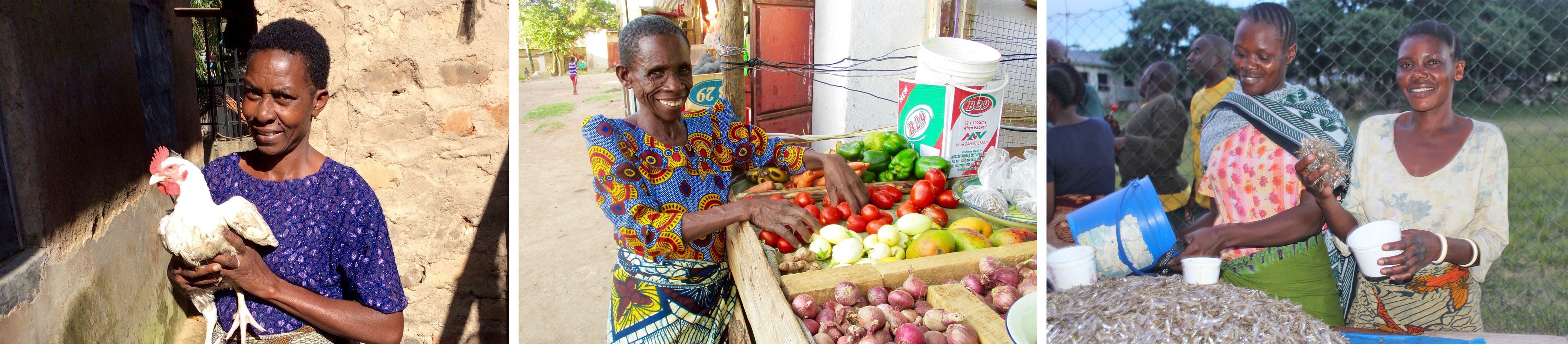
Women's Savings Groups and Microloans
Women's business groups in Mwanza and the Ngorongoro highlands are building financial independence through community-managed savings funds and microloans.
Members contribute a portion of their business profits to group savings, currently averaging 5–8%, with some groups working toward a 10% savings goal.
Women may borrow from their group's savings fund to support or expand their businesses. These microloans are repaid with interest, and all interest returns to the women's shared savings fund—not to an outside bank.
Through shared responsibility, recordkeeping, and financial education, women are learning to manage money, build savings, and invest in their families' futures.
Whenever possible, Health & Hope Foundation purchases food for Tumaini Tutor School directly from our women's business groups, including dagaa (small dried fish) from the Fish Group and rice and vegetables from the Farming Group. Although the groups cannot supply all the school's food needs, these purchases help support local businesses while providing nutritious meals for students.