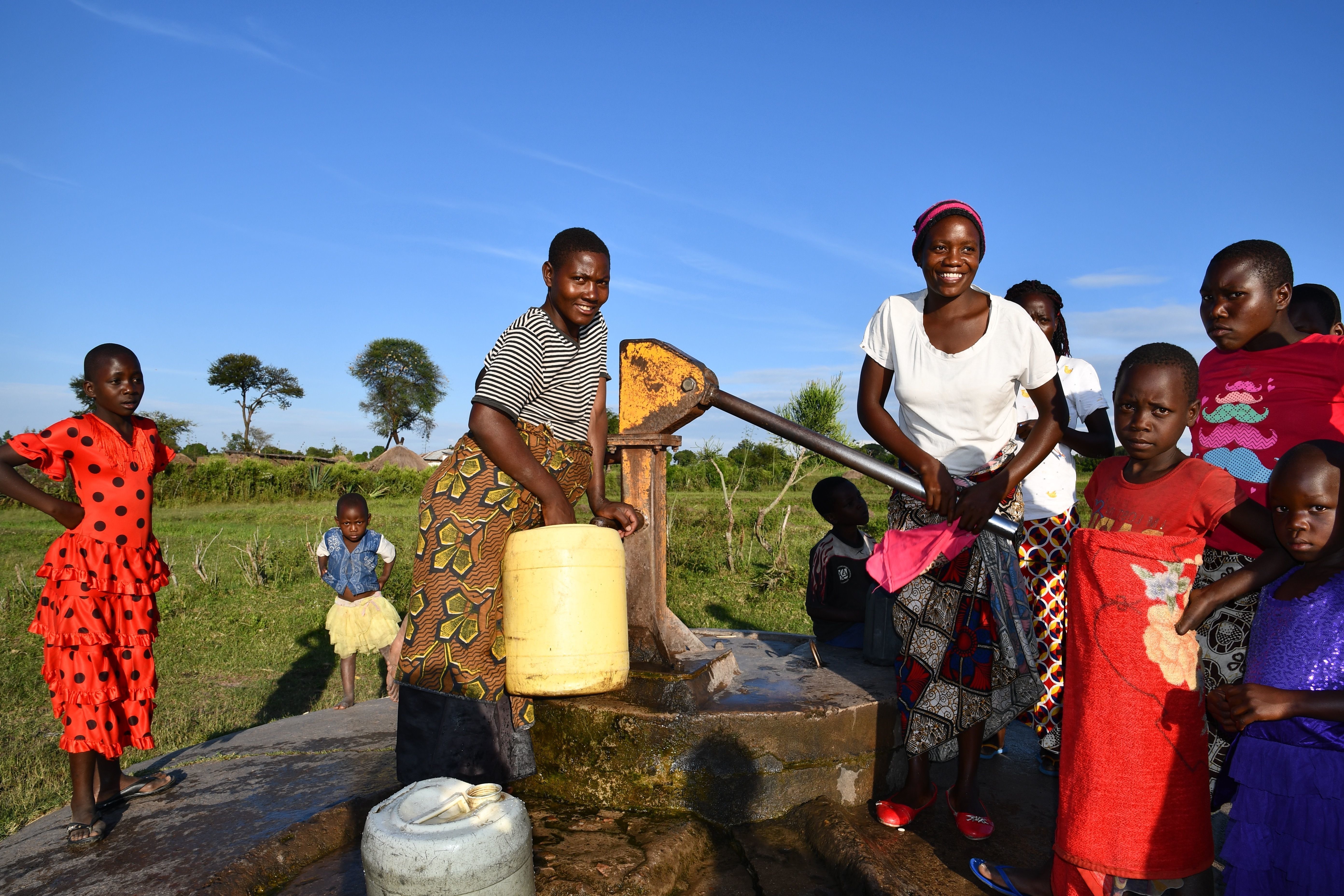


Research, teach and share knowledge for water safety.
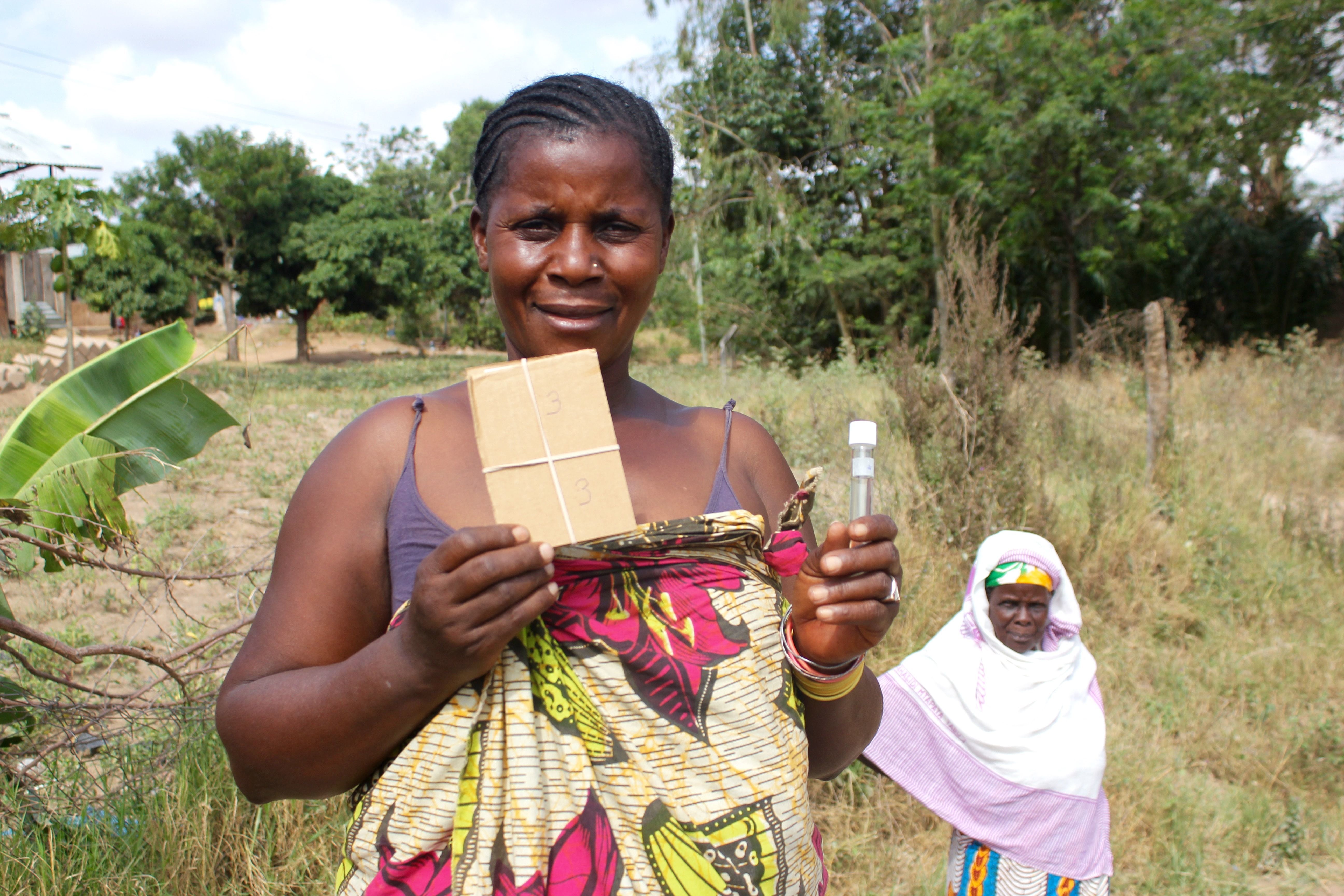
The EC-Kit (“EC” for E. coli), developed by Dr. Metcalf, makes microbiological water testing possible in remote communities without electricity or laboratory equipment. Designed for community health, research, and disaster relief, the kit is simple to use and teach, enabling local people to monitor their own water sources.
Its ingenious innovation is incubation using body heat. Water samples are carried in a fabric belt worn close to the body for approximately 24 hours, eliminating the need for an electrical incubator. IDEXX Colilert tests produce a dramatic yellow color when coliform bacteria are detected; a UV light reveals fluorescence when E. coli is present. This provides a powerful teaching lesson: water that looks clear is not necessarily safe to drink.
The kit also uses Petrifilm plates to help measure bacterial contamination. Health & Hope Foundation took over EC-Kit assembly and distribution following its development through MIT's water engineering work. For years, HHF supplied kits as a nonprofit service to university researchers and organizations working in low-resource settings. Although kits are no longer stocked for sale, the testing methods remain central to HHF's community water safety education.
Water Treatment Innovation: The MSR SE200
The MSR SE200 Community Chlorine Maker was an innovative solution for treating drinking water in communities with limited resources. Using water, salt, and electricity from a battery or solar power source, the device produced a chlorine solution that could be used to disinfect drinking water.
Although the SE200 is no longer manufactured, it demonstrated how practical technology can help communities take greater control of their drinking water safety.
Today, Health & Hope Foundation emphasizes water testing, disease prevention, and community education—helping local leaders identify unsafe water sources and teach families how to protect their health.